
Alternative protein.
Reducing wildlife hunting by providing alternative protein sources
Our evidence-based approach to reducing hunting pressure and human-wildlife contact, with a focus on the Egyptian fruit bat and the white-bellied pangolin.


Rural livelihoods are inextricably linked to nature. Our community partners are primarily forest-dependent small-holder farmers whose resilience and adaptation against climate change and loss of ecosystem services requires multi-stakeholder effort. Through our mission to safeguard local livelihoods we empower local communities to stand for nature, by shifts in protein and income sources, climate-sensitive agricultural land management.
For many families around Afi Mountain, protein often comes straight from the forest. Bats, particularly the Egyptian fruit bat, which roosts in accessible caves, are easy targets for hunters. As demand grows and populations shrink, the cycle becomes harder to reverse.
Our Alternative Protein Project started from a simple question:
"What if communities could raise their own preferred, affordable protein source without turning to the forest?"
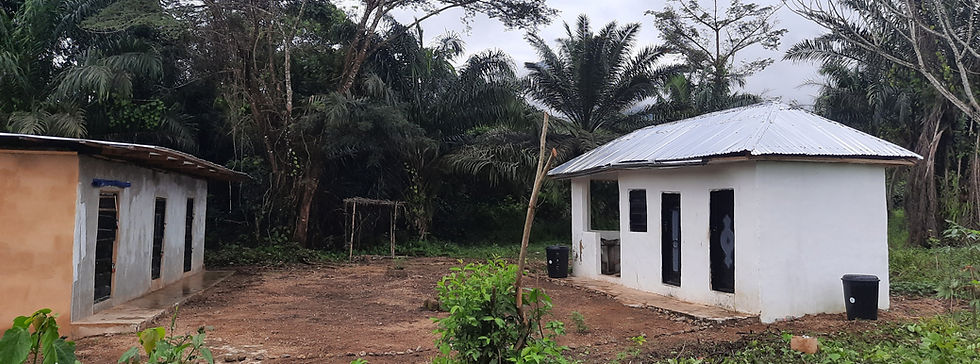
In a socio-ecological survey, community members identified cane rats (locally known as grasscutters) as a preferred and widely consumed alternative protein source. This insight led directly to a pilot farm in 2024, which has expanded to two additional communities.

3
Farm sites
Buanchor, Katabang, and Olum communities Afi Mountain Wildlife Sanctuary
Human-wildlife contact
Long-term objective mtigating zoonotic risks and enhancing ecosystem health awareness

Bat hunting pressure
Long-term objective through sustained alternative protein sources